The "Human Plus" Debate & The End of Spontaneity
Have you ever tried to book a spontaneous weekend getaway, only to realize your digital paperwork is going to take longer than the flight? Or walked into a luxury hotel lobby and realized you haven't spoken to a single human being since you left your house?
Welcome to the "Digital Architecture" of 2026 travel. We've spent years building the frictionless frontier—where algorithms anticipate our needs and biometrics open our doors. But now, the industry is facing a massive identity crisis. The central tension buzzing across every boardroom this week is simple: How much automation is too much? In a world ruled by AI and digital gates, is human interaction becoming the ultimate luxury, or is it just an operational failure we haven't fixed yet?
ETIAS and The Death of the Spontaneous Traveler
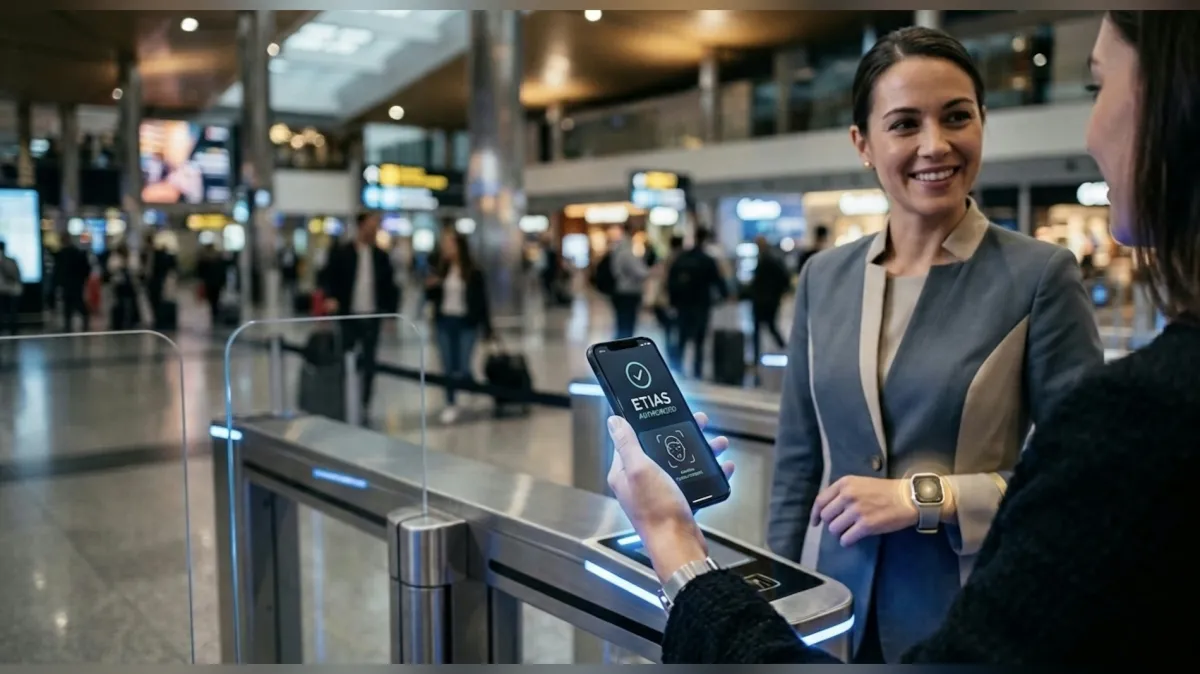
Remember deciding on a Thursday to fly to Paris on a Friday? That era is rapidly closing. With the European Travel Information and Authorisation System (ETIAS) gearing up for its highly anticipated launch, mandatory pre-authorizations are changing the fundamental psychology of travel.
For millions of visa-exempt travelers across the globe, the border no longer starts at the airport; it starts days in advance on a smartphone screen. Are we killing the last-minute city break? When travel requires a digital background check to cross a border, the romance of spontaneity fades. For destinations and hoteliers, this means your marketing window is shifting. You can no longer rely entirely on the impulse buyer who books a flight on a whim; you have to win the guest's loyalty before they even apply for their digital authorization.
The "Silent Service" Revolution
But what happens when that heavily vetted traveler actually arrives at your property? They enter the "Silent Service" zone. If you’ve stayed at a high-end resort recently, you might have noticed how eerily quiet the staff is. The crackle of walkie-talkies and the shouting across the lobby are gone.
Instead, operations are increasingly being run through wearable haptics—smartwatches and vibration-based wristbands. A housekeeper feels a double-tap on their wrist when a VIP checks out; a valet gets a subtle, silent vibration when a car is requested from the digital app.
Staff coordinate complex, luxury service without speaking a single word in guest areas. It’s incredibly efficient and preserves the aesthetic peace of the hotel, but it begs a serious question: are we turning our hospitality professionals into silent, vibrating drones, or are we elevating the relaxing atmosphere of the guest environment?
Is "Human Friction" the New Luxury?
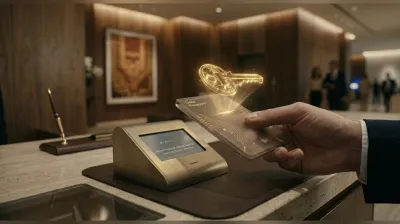
This brings us to the ultimate crossroads of 2026. We have optimized the travel journey to the point where a guest can theoretically book a room, pass through an automated airport gate, unlock their hotel door with their phone, and order room service via an AI chatbot—all without making eye contact with another human.
But is that what people actually want on a holiday? When every budget hotel can offer a 30-second digital check-in, does the five-minute, unscripted conversation with a passionate local concierge suddenly become your premium differentiator? If extreme digital efficiency is the new baseline, then authentic human connection—with all its messy, inefficient glory—might be the only thing left that money can truly buy.
The Pulse Connection: Signal from the Hubs - Hospitality
It’s been a week of deep dives into the "Digital Architecture" of 2026 travel. The tension between digital efficiency and human touch is defining the winners and losers of the year.
Are you equipping your teams for this shift, or just hoping your legacy tech holds up? Here is the exclusive intelligence waiting for you inside the Nexus Hubs this week:
Hub 1 (Modern Guest Journey): Is the last-minute city break gone forever? We’ve mapped the "Death of the Spontaneous Traveler." Inside the Hub, you'll find the exact strategic pivots and revenue models leading properties are using to capture bookings now that ETIAS pre-authorizations have fundamentally altered the traditional impulse-travel window.
Hub 4 (Smart Ops): How do you coordinate a flawless 5-star service recovery without making a sound? We’ve published the complete blueprint on "Silent Service" tech. Discover the specific wearable haptics and operational routing systems that top-tier luxury brands are deploying right now to execute invisible service in guest areas.
In a world of biometric gates and AI-optimized routes, the defining choice for your brand is simple: will you use technology to replace your people, or to empower them?
Stop guessing how to navigate the 2026 landscape. Upgrade your Nexus subscription to access the blueprints and stay ahead of the curve.